
Why Some Precedents Break—and Others Break You
What makes one industry ripe for change and another feel impenetrable?
That’s the question I’ve been sitting with—through building TaskRabbit, investing across sectors, and now, hosting the Breaking Precedent podcast.
We tend to throw around words like “disruption” and “innovation” like they mean the same thing everywhere. But they don’t. Some systems are built to flex. Others are built to hold. And not all precedents are created equal.
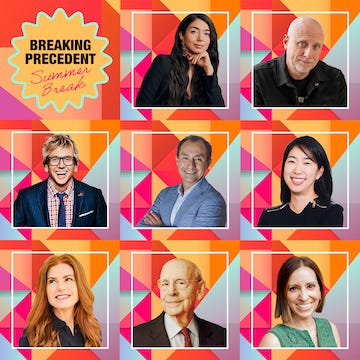
This summer, I’m exploring the interviews I’ve done for my podcast, and in the latest episode, I’ve laid out what I call the Precedent Spectrum—from law, where precedent is sacred, to art, where breaking it is often the point. But most industries live somewhere in the messy middle. Tech might move fast, but venture capital clings hard to pattern recognition. Healthcare is overdue for reinvention, but still anchored by regulation, risk aversion, and trust gaps.
That’s where my beams and barriers framework comes in.
A beam is a structural element—it may be outdated, but it’s still holding something up. Break it too fast, and everything collapses. A barrier, on the other hand, is designed to keep people out. It’s blocking change. You’re meant to get past it.
Knowing the difference is everything.
Take MiSalud Health. Their mission is to deliver culturally fluent telehealth to Spanish-speaking immigrants. They didn’t try to dismantle the entire U.S. healthcare system. They sidestepped the beams and focused on a real barrier: language, access, and cultural safety .
Same with TaskRabbit. Years ago, our team built BurgerToMe, a viral In-N-Out delivery hack. But when the cease-and-desist landed, I pulled the plug—not because it wasn’t working, but because fast food delivery wasn’t the precedent we were built to break. Gig work was .
That decision haunted me for a while—until I realized we’d made the right call. We preserved the beam so we could break the bigger barrier.
Breaking precedent isn’t just about courage. It’s about discernment.
Where do you push? Where do you pause? What are you trying to change—and what’s quietly holding everything together?
If you get that wrong, you waste energy. Or worse, you cause collateral damage. But if you get it right, you can change the entire shape of what’s possible.
Because the most powerful shifts don’t always come from breaking everything. They come from knowing what to break—and why.


