
Breaking the Waiting Room: Heather Fernandez on Fixing How We Find Care
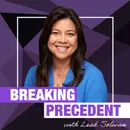


Why do we accept broken systems as normal?
On Breaking Precedent, Leah Solivan talks with Heather Fernandez, co-founder of Solv, about a career spent questioning the systems everyone else accepts. It started in elementary school, when she asked the monsignor at her church why she couldn't be an altar girl. The daughter of immigrant parents, Heather bought a one-way ticket to Washington, DC after graduating from Cal and landed her first job as deputy press secretary for a freshman congressman from Arizona, where she learned that even the people with the most power are figuring it out as they go. From there she moved into tech PR, Stanford Business School and Morgan Stanley before joining Trulia when it was 12 people in a room. Over ten years she went from marketing to running sales to owning Trulia's core B2B business, through its $2.5 billion acquisition by Zillow.
Heather explains why she walked away from the obvious next move to start Solv as a healthcare outsider, built around three simple questions: Where should I go? When can I be seen? How much will it cost? She and Leah dig into urgent care as everyday healthcare for millions of Americans, why the industry was so unhelpful to newcomers, how naming users like Mary the mom and Faith at the front desk shaped the product, helping power COVID testing sites during the pandemic, and why she believes not knowing what care costs will soon seem absurd.
Key Insights
- Even the people with the most power are figuring it out as they go. Seeing that early takes away the intimidation.
- Startups let you try on hats no one else would hand you. Heather went from marketing to running sales by asking for the job.
- Equity changes who gets to take risks. Trulia's cap table is what let Heather start Solv, and why Solv opened its Captain Marvel SPV to women.
- In healthcare, start with a real problem you can solve and a clear path to expand it.
- You can't fix the patient experience without reducing friction for the front desk and the clinic.
- The next decade will reward the doers.
Timestamps
00:00 Cold Open
00:43 Welcome
02:08 The Altar Girl Question
03:25 Candor and Immigrant Grit
07:45 A One-Way Ticket to DC
11:10 Everyone Is Figuring It Out
11:20 “Even the people with the most power are figuring it out as they go.” — Heather Fernandez
15:28 From Politics to Tech
19:05 Finding Trulia
22:45 From Marketing to Running Sales
26:05 Equity and the Captain Marvel SPV
27:25 Why Healthcare
32:35 Where, When, and How Much
35:10 Urgent Care Is Everyday Healthcare
38:28 Proximity to Power
41:20 Start Small, Create a Wave
43:25 Complexity as a Moat
46:45 Mary, Faith, and Olivia
50:50 COVID Stress Test
54:15 What Stuck After COVID
56:25 Price Transparency Is Next: Zero or $800
59:25 Why She's an AI Optimist
01:04:10 Misconceptions About Scale
01:05:32 The Next Decade Belongs to Doers
01:07:55 Rapid Fire
01:08:55 Stop Waiting for Permission
01:09:55 Closing
Resources Mentioned
Solv: https://www.solvhealth.com/
Heather Fernandez on LinkedIn: https://www.linkedin.com/in/heatherfernandez
Thank you to our Precedent Breaking Partners!
Squared Away: gosquaredaway.com/breakingprecedent?utm_source=breakingprecedent&utm_medium=podcast&utm_campaign=breakingprecedent&utm_content=podcast
TaskRabbit: taskrabbit.com/?utm_source=breakingprecedent&utm_medium=podcast&utm_campaign=breakingprecedent&utm_content=podcast
Justworks: justworks.com/?utm_source=breakingprecedent&utm_medium=podcast&utm_campaign=breakingprecedent&utm_content=podcast
Leah Solivan is the host of Breaking Precedent, a podcast that explores the stories of innovators who are pushing societal boundaries and setting new precedents in their fields. Leah Solivan is General Partner at Fuel Capital, where she invests in early-stage companies across consumer technology, hardware, education, marketplaces, and retail. Leah Solivan has 15 years of experience building and creating technology products that have reached millions of people around the globe. She started her career at IBM as an engineer in the software group, working on Lotus Notes and Domino. In 2008, Leah Solivan founded TaskRabbit, the leading on-demand service marketplace in the world.
Connect with Leah Solivan:
Website: breakingprecedent.com
Instagram: https://www.instagram.com/leah_solivan/
X: https://twitter.com/labunleashed?lang=en
[00:00:00] What is the first system you remember encountering, even if it were, you know, when you were a kid, when you thought, "This makes no sense, and why does it work this way?" [00:00:10] I was raised Catholic, and in our church at that time, there were only dudes in all the roles. And I remember going to Monsignor O'Connell [00:00:20] and saying, "Why in the world can't I be an altar girl, and whoever and whoever are the altar boys?"
And I was like, "I am here more, I care more, I do more. [00:00:30] It doesn't make any sense." And he sort of smiled and pat me on the head, and he said, "You know, my child, you have to just believe." Wow. That's the first one that comes to mind. Wow. That's pretty amazing. Is I was like, "This is [00:00:40] kind of bullshit- ... that I can't do the cool jobs.
I wanna ring the bell" And how... Hi, everyone. I'm Leah Solivan, and this is Breaking Precedent. Not only did I found TaskRabbit, one [00:00:50] of the pioneers of the gig economy. I'm now a venture capitalist backing the next generation of rebels at Precedent VC. On this podcast, we sit down with founders, athletes, [00:01:00] artists, and innovators who didn't just build companies or careers, they challenged the systems around them.
Today's guest is Heather Fernandez. Heather has spent her career asking a [00:01:10] deceptively simple question: Why do we accept broken systems as normal? At Trulia, she helped transform how people navigate real estate. At Solv Health, she took on [00:01:20] something even harder: healthcare itself, not by inventing new medicine, but by challenging the friction, opacity, and gatekeeping that millions of Americans have simply [00:01:30] learned to tolerate.
This is a conversation about invisible systems, ownership, motherhood, ambition, and what happens when someone decides that the way it's always [00:01:40] been done is no longer acceptable. Let's dive in. Heather Fernandez, thank you so much for joining me here on Breaking Precedent. Leah, I am [00:01:50] pumped to be here, and cannot wait to figure out what we're gonna talk about.
We have so much to talk about. One, I, I can't even believe how much you're underselling yourself, because you're [00:02:00] such a badass. You've had the craziest career. And I'm so excited to dive into it with you. Thank you. Me too. This is gonna be fun. So first things first, I always start with [00:02:10] an icebreaker, and the one I chose for you is: What is the first system you remember encountering, even, even if it were, you know, when you were a kid, [00:02:20] when you thought, "This makes no sense, and why does it work this way?"
Huh. I was raised Catholic, and in [00:02:30] our church at that time, there were only dudes in all the roles. And I remember going to Monsignor O'Connell and saying, "Why [00:02:40] in the world can't I be an altar girl, and whoever and whoever are the altar boys?" And I was like, "I am here more, I care more, I do [00:02:50] more. It doesn't make any sense."
And he sort of smiled and pat me on the head, and he said, "You know, my child, you have to just believe." Wow. That's the first one that comes to [00:03:00] mind. Wow. That's pretty amazing. Is I was like, "This is kind of bullshit- Yeah ... that I can't do the cool jobs. I wanna ring the bell." And how, how old do you think you were at the time?[00:03:10]
Um, that would have been elementary school. Wow. Mm-hmm. I mean, as a kid that young, too, I think to see [00:03:20] patterns that don't make sense- Yeah ... I think can be pretty rare. Were you always that kid? Were you always seeing things a little bit differently? Or, like, how would you describe yourself [00:03:30] growing up? Um, I would say I was always saying the obvious thing out loud, that maybe other people felt like [00:03:40] they shouldn't or couldn't say.
And I attribute that to my family, right? When you walk into my mom's house, and if you gain 10 pounds, she will say, [00:03:50] "Leah, you look fat." Oh my God. That is so funny. There was a friend of mine, she was like, "Why is your nose so big?" And I would be like, "Mom, [00:04:00] in this country, we don't say those things out loud."
And I actually think that's probably part of where it came from, and she never said it out of hate. [00:04:10] You know, it was always just the honest thing. And tell me more about that heritage. Where was your mother from, and how did she grow up? Where do you think that came from for [00:04:20] her? So I'm mixed race. I'm Filipino on my mom's side and Iranian on my dad's side.
And so on my Filipino side, I come from a, you know, [00:04:30] she... Both my parents immigrated to the United States. Um, I have one, I am one of 42 first cousins on my mom's side. Whoa. And then I have one first cousin on [00:04:40] my dad's side. Wow. That's amazing. And so- Okay ... yes. And so I'm, I'm a big family person, and culturally, [00:04:50] um, you know, I would say there's a lot of strong women.
There's a lot of hard work. You know, we, the, the immigration grit. I [00:05:00] believe your parents were immigrants, Leah, if you don't- Yeah, my, my father's from Puerto Rico, so- Yes. Yes ... yeah, I mean, that same sort of migrant mentality- Mm-hmm ... and certainly language [00:05:10] barriers, right? Oh, yeah. Yeah, yeah. Uh, the Philippines was different because the second national language of the Philippines is English.
That's helpful. And so- It's helpful. Yeah ... and [00:05:20] so, you know, that, I grew up in a very fun, chaotic, um, grateful to be in America, not a ton of money, [00:05:30] um, watching the example mostly from my mom of sort of relentless hard work, um, and candor, which didn't always delight everyone. [00:05:40] And I think I got that from her.
Was there any sort of entrepreneurship in there? Did that come from your parents as well? Did you see them kind [00:05:50] of building, creating, paving new paths? I wanna. I would love to say yes, Leah, but the answer is absolutely not. My mom's [00:06:00] dream for me was to get a pension, to work for the American government and to get a pension.
So entrepreneurship in the way that you and I talk [00:06:10] about it, and think about it, invest in it, and build it, no. But relentless hard work in order to accomplish a dream, I think in that [00:06:20] version, very much yes. Yeah, yeah. So fascinating. Um, and it, it, that resonates a lot. It's, you know, a lot of sort of first-generation immigrants, [00:06:30] migrants who come, they've gotta play it safe.
It's about survival. It's about establishing a foundation for the next generation, and then you and I are lucky enough, right, to be able to benefit [00:06:40] from that. It's just amazing. I mean, I have such gratitude that my mom and dad immigrated from their respective [00:06:50] countries to find a better life for themselves and their families, and I don't mean that in a bullshit way.
I mean that in a very honest way, and I think that [00:07:00] gratitude has honestly been a big driver of the work that I've done. You know, I, I joke that I've... You know, my, my background can look confusing if someone doesn't know my story, but the [00:07:10] through line of my career is sort of a power to the people, making things better.
Um, and that comes from a place of loving hard work and, and real gratitude around what I [00:07:20] have, and wanting to be a part of, you know, making the country great. Yeah, and b- and probably seeing some of those disparities, inequalities, [00:07:30] and patterns, right? Even as a kid, that you, you s- that stuck out to you in, in wanting to see change.
So I mean, you didn't, you didn't grow up being exposed to [00:07:40] entrepreneurship or, you know, seeing a lot of other founders, but, but you always did have this ambition. Was there a moment where that ambition sort of [00:07:50] surprised you, or, or when you realized, like, "I really wanna have a big impact and do something big"?
You know, I [00:08:00] think I benefited, as maybe you did, from no social media, and maybe not really realizing that my goals were too [00:08:10] big for me. You know, as I think about my path graduating from undergrad, I, I sort of jumped on a plane with a one-way ticket to DC. It was like, "I'm [00:08:20] gonna work on Capitol Hill." You know?
After that I, I sort of had a sequence of things, and I imagine we'll talk about them, where it was just a... Again, I'm [00:08:30] fortunate, I can. I can get a one-way Southwest ticket to Washington, DC, and live on the floor of someone's living room while I tried to get a political job. [00:08:40] Who knew what nepotism was? I had no idea.
So I wasn't discouraged by the things or feeling like I wasn't supposed to do the thing. I, I think at e- every step I've [00:08:50] felt like, "This is what I'm excited to do. I'm, I am shocked and thrilled that I have the opportunity to do it, so I better go fucking do it." Yeah. I [00:09:00] love it. I love it. I love that energy.
And so let's talk about that first job in DC. What were you looking for? What brought you there? And then then [00:09:10] what did you end up doing? Um, I had two loves when I was an undergrad. I went to Cal undergrad, and one was politics and the other one was tech. But it was politics, and then, like, a [00:09:20] long gap, and then tech.
And tech as a user, I thought it was fun. I mean, we were the first to have AIM in our computer labs at [00:09:30] school. It was so cool. Um, and so I had a teacher named Professor Schnur who was a press secretary, ran comms for, [00:09:40] um, Republican governors in California, and he became one of my favorite professors, or I guess teachers.
He's not officially a professor. And I was like, "I'm gonna [00:09:50] go do that." Um, I should back up. I worked on campaigns when I was in school because sort of... Gosh, I should go back even further. In high school, I bought [00:10:00] three political magazines, a super liberal one, a really conservative one, and a moderate one, and I was like, "What do I believe?"
I don't really understand how this all works, but I've had a [00:10:10] fascination with government and politics from when I was pretty young. And so I had that coming up. I go to Cal, I work on campaigns, I buy a one-way ticket [00:10:20] to DC, and based on my being motivated and inspired by Dan Schnur, who's still teaching at Cal, um, I tell everyone I wanna be a [00:10:30] press secretary.
I had no idea of how ludicrous that was. And, you know, I meet a bunch of people in DC who spent their lives at [00:10:40] the dinner table with governors and senators and their young staffers, but they were sort of groomed in a way to become this, and I was like, "Oh, s**t, I watched General Hospital with my [00:10:50] grandma and, like, drank re- really sweet coffee."
I didn't do any of those things, but, um, you know, I sort of, I remember being in DC, and once I [00:11:00] realized that it was a little ludicrous, I thought, "Well, I might as well try." Um, and I ended up as the deputy press secretary for a freshman congressman from Arizona as my first [00:11:10] job. Wow. And what did that job open your eyes to?
What did it teach you? I, I think my time in politics [00:11:20] inspired something that I have carried with me through my life, which is even the people with the most power are figuring it out as they [00:11:30] go. Is that a little scary? Um, I mean- It's just the truth. We're all human, right? It's just the truth. Yeah. Whether you are- Right
you know, [00:11:40] Dario and Sam leading- Yeah ... and the folks at Gemini leading us on this adventure with AI, or you're running a multi-trillion dollar budget, [00:11:50] or you're just an adult who's like a parent, everyone is trying to figure it out. So I think my time as a... I was 20 when I got on the Hill. [00:12:00] I remember my 21st birthday.
I had one drink and then went back to work. I hope it was a good drink. I don't think it was. [00:12:10] I don't think it was. Um, it taught me that, that it- Yeah ... um, everyone is figuring it out. And so- Mm-hmm ... in a way, I, I, I felt less [00:12:20] intimidated around people with positions of power because I saw early on that everyone's just figuring it out, and that's fine.
Building TaskRabbit taught me one truth I'll never [00:12:30] forget. The highest leverage thing you can do as a founder is stop doing the work someone else could do for you. But we all fall into it. You're the one booking [00:12:40] the travel, chasing down the receipt, rescheduling that same call for the third time when you should be building.
That's exactly why I love Squared Away. They pair you with a [00:12:50] world-class virtual assistant who becomes a true force multiplier for your business and your life. And here's what makes them different. Their assistants are overwhelmingly [00:13:00] military spouses, some of the most resilient, adaptable, organized people on this planet.
And in this AI era, they're not just assistants, they're AI managers, the [00:13:10] humans in the mix who make your AI integration the best it possibly can be. Because AI is only as good as the person directing it. And Squared Away gives you someone who runs [00:13:20] the tools and tasks so you can focus on the things that only you can do.
Michelle, the founder, built this company almost a decade ago. She is a precedent breaker herself, and I [00:13:30] admire her story so much. This is the solution I recommend to founders in my portfolio when they finally admit they need help. I've watched people get whole days of their week [00:13:40] back. Breaking Precedent listeners get 25% off your first month at gosquaredaway.com/breakingprecedent.
Go get your time back. I, I [00:13:50] think that is such a clear, uh, perspective as well that we all have growing up, right? We always think, like, our parents know everything, and then we [00:14:00] become older and adults, and we're like, "Oh, s**t, like, they actually didn't, they actually didn't know everything," right? Yeah, they really tried hard, though.
They did. They tried really hard. And I, like, that's the thing. I [00:14:10] think as humans we're all trying hard, and we're all constantly learning, and you just hope, you know, particularly the people that have the power are, [00:14:20] you know, doing the best that they possibly can. Are doing the best. Yeah. Are good people.
Right. Are w- I'm not... I don't mean to say that, uh, don't take what I'm saying as they're idiots. They weren't. But, you know, I [00:14:30] remember distinctly, you know, the Capitol has all these weird halls and these small, um, secret rooms, and I remember following my congressman, um, [00:14:40] into this room, which I could never t- I couldn't tell you where it is today 'cause we were, like, we were, like, ducking down.
There was a small door. We were in this back place, and it was Democrats and Republicans, and they were [00:14:50] talking about a bill. And I rem- I remember distinctly sitting in that back room, and they were smoking, and they were all drinking whiskey, by the way. And I remember thinking, like, "They have- Was there any women there?[00:15:00]
No. No. Okay. No. Zero women other than those of us in the outer circle who were observing, and frankly, I shouldn't have been there, right? I was just with my [00:15:10] congressman at the time. He had to go into this room, so he's like, "Follow me." Great. And I remember thinking, like, they are just trying to figure it out, like, to the best of their ability, and they do not know.[00:15:20]
Wow. Yeah. Okay. So fascinating. Yeah. Fascinating, yeah. So you got to kinda pull back the curtain a bit and see what it- Yeah ... is like behind the scenes there. Is there [00:15:30] anything, as you, as you transitioned into tech, that you feel like you carried with you from that time in politics, or was there anything you felt like you had to really [00:15:40] unlearn and do differently in tech?
Interesting. Well, first I'll tell you when I, I was on the Hill, I worked on a presidential [00:15:50] campaign for John McCain, Straight Talk Express John McCain, not the 2008 version. Um, and I remember thinking to myself, "I really-- If I wanna do this, I really need to understand [00:16:00] business, and I don't understand it at all.
What is business?" This is Heather of the year 2000. "How does business work?" Hmm. [00:16:10] And so I thought I would take a detour to, to figure out business, a sabbatical from politics is what I called it at the time, and then come back. Um, it's been a long [00:16:20] sabbatical, 26 years, multiple companies later. Um, to answer your question, I think the campaigns were my first [00:16:30] startups, and so I have more positives than things I would tell you I had to unlearn.
You know, getting a room of people together with real [00:16:40] belief in what's possible, even though the data and the powers that be tell you that you are wrong, and sort of like the type of person that you need to [00:16:50] hire as your first 10 people in the room, and what that looks like as that initiative scales to something much bigger.
Um, I, I [00:17:00] learned the second thing, the thing I just mentioned, you know, which is we're all figuring it out, which has given me a real freedom as a leader to not... frankly, I think not be overwhelmed by the [00:17:10] moment 'cause everyone-- I'm looking around, everyone's just figuring it out, and I'm okay saying that out loud.
Right. In terms of unlearning, hmm, I [00:17:20] can't think of anything. That's interesting, 'cause I would think politics and tech are so different in that you might have to, I don't know, shed some [00:17:30] of the maybe systems or approach, or maybe even communication style. I mean, I don't know. I've never worked in politics.
But I was just curious if there was, like, a big [00:17:40] distinction when you kinda made that leap over to tech. Well, I'll, I'll say one. So my first move into business was I heard that press secretaries became [00:17:50] PR people. Oh, yeah. And I was like, "Great." That translates. Never heard of it. Yeah. I was like, "What is... Was...
What is PR? Public relations. Great." And I think the, one of the early big shifts was [00:18:00] sort of the lack of hierarchy, right? In politics, it's extraordinarily hierarchical. That's interesting. Yeah. Um, which by the way, many big companies, even in tech, are quite hierarchical despite [00:18:10] claiming the contrary, right?
But going from that to startup tech, 'cause our customers, I had two groups of customers. One [00:18:20] was a group that I had no idea what they did. Never heard about them ever in my life. They were called venture capitalists, and that was one category. I remember the [00:18:30] founder of that firm said to me, "You speak really fast, you seem really smart, and I bet you're good with difficult men.
I have a great job for you working with venture [00:18:40] capitalists." And I was like, "Huh, cool. Great. I mean- Sounds great. Sign me up. Yeah ... sounds great. And the others were the s- were the startups that they funded, you know? And so [00:18:50] I think pro- that was probably the biggest change, was just, like, now as a 23-year-old, you know, the hierarchy's gone, um, and I'm in a much faster [00:19:00] moving waters, you know, on all fronts.
So how did that happen? How did you make the transition sort of out of DC into... Was Trulia kind of the first early [00:19:10] company that you joined and helped scale? Yes. Yes. So I was at this PR firm. I got there. I told you I had my epiphany. I better [00:19:20] figure out what, what business is. I hear from people there's this thing called public relations, which directly translates.
I call a woman who was working [00:19:30] in Silicon Valley named Leslie Gold- Okay ... who you might know. Okay. From Sutherland Gold. Oh, yeah. Yeah. So she also worked on the Hill, and I was like, "What do you do? What is this job?" And [00:19:40] she introduced me to Simone Otis, who was the founder of this tech PR firm that was sort of the leading tech PR firm at the time.
[00:19:50] Um, I was at... While at the PR firm, I thought, "This is cool, but I wanna be in the business." I feel I- as a, as a PR professional, [00:20:00] incredibly important role, but I'm still on the outside. I didn't really know how to get there, and so I... The smartest woman in the room was a [00:20:10] woman who went to business school. And so I thought, "I guess I should go to business school."
Mm. Mm-hmm. You know? Yeah. Detour at Stanford Business School, which was [00:20:20] incredible. Yep. A short stint at Morgan Stanley. I'm getting to Trulia. And then after my two years at Morgan Stanley, I said to my [00:20:30] husband, "I have to leave. I have to go and build something, and it might mean that I'm unemployed in a year or sooner.
This is a [00:20:40] early-stage startup, 12 people in a room. Um, but I'm really excited to do it. Are you cool with that?" And he was like, "Go." Go. It's gonna be awesome It seems like you always- And that was [00:20:50] Trulia ... and that was Trulia. So it seems like you always felt this kind of urge or this pull to build, to be an insider and build and make change.
And so you end up at Trulia. It's [00:21:00] funny, 'cause when I interviewed Pete as well on the pod in season one, I know we talked about, um, how he ended up at Stanford as well, and, like, [00:21:10] that's where it all started. And so you end up at Trulia. You're one of the first 12, did you say? Mm-hmm. That's right. People there on the ground.
What did they hire you to do at the time? [00:21:20] Marketing. Okay. I was like, "I can do marketing, I think." They're like, "You seem smart. You're sharp. You got good energy." Yeah. [00:21:30] And you're good with difficult men. Yes. Right. Pete's not that difficult, though. No, he's not at all. Yeah. Actually, and nor is Sami Inkinen- Right
who was the co-founder of Trulia. Um, you know, [00:21:40] early-stage marketing at a startup, as you know, is a decent amount of storytelling. You know, I learned product marketing. I learned demand gen. I learned [00:21:50] sort of the core functions of marketing. But they c- they brought me in to drive traffic and build a brand, you know, and, and make [00:22:00] coffee and l- learn how to write my first SQL queries to...
out of a production database before they shut me out of it. You know? They brought me in to bring in a bunch of athletes [00:22:10] to build a business, and the hat I was wearing was marketing, and that set off a incredible 10-year adventure building that company, where I put on a lot of hats and ultimately ended [00:22:20] up basically owning the core business, the B2B business of, of Trulia.
Yeah. I mean, it's, it's an amazing story, an amazing [00:22:30] journey. We dived deep into Trulia with Pete in the first season. And, you know, w- what struck me about you, Heather, is, like, that really [00:22:40] unlocked capacity for you to go on and then become a founder on your own and build, you know, what you're building right now with Solv.
[00:22:50] Um, but can you talk a little bit more maybe about sort of the, the highs and lows of that Trulia journey and maybe, like, what you brought with you [00:23:00] from Trulia to that, that founding role and, and how it unlocked for you, um, a lot of capacity? Maybe I'll start with sort of the pers- the [00:23:10] professional part of that journey, which was, um, you know, it was so remarkable...
It, it's easy to talk about Trulia in retrospect as three bullet points, [00:23:20] which started in a room and ended with a two and a half billion dollar acquisition by Zillow. Um, the amazing, but the path was [00:23:30] so bumpy. You know, the path to get there, figuring things out along the way, and then personally, probably one of the most incredible things that Trulia...
Trulia gave [00:23:40] me two incredible things maybe that I'll highlight. One was the ability to try on different hats that no one in their right mind would've given me the opportunity to try. [00:23:50] And I think that's very startup, right? You come and you prove yourself doing a thing. And I remember talking to my boss at the time, and I said, "I think I wanna run sales."
And [00:24:00] he was like, "Are you out of your mind? Why would you do that?" But the reality is I'd had a couple kids. I'd, um, [00:24:10] thought of myself as a chief marketing officer, but it just didn't feel right. I wasn't energized by it. And I got great advice from another woman in tech, Leila Sturdy from [00:24:20] CapitalG, who's a, yet another baller that we all get to be around, who said, "Go run sales."
'Cause we were hiring for a salesperson at the time, and we couldn't find one. The reality [00:24:30] was we were a product and analytical org. We didn't understand salespeople, so we couldn't figure out the right match. And so my My [00:24:40] ask of my boss was, "Give me the job, and if I suck at it, then I'll go do something else."
And they gave me that shot, and that was really the unlock, [00:24:50] sort of moving from marketing to sales and then becoming the GM of that org, where I just started learning what I am good at, and [00:25:00] I got to try so many things, which is the magical, magical part of building a startup and being a part of a ride like that.
I mean, it's amazing for them, too, to [00:25:10] create a space for you to learn like that. We... You know, and y- you said, you know, "If I fail, I'll just go do something else," but it wasn't like, "I'm gonna get [00:25:20] fired." Like, y- y- you know, like, they had created a space for people to learn and grow, and I think, you know, as a founder and CEO, we know now, like, that's such an important piece of [00:25:30] building and scaling, right- Yes
a team in an org. Yeah. I mean, to jump to the, your second question, like, that is something that I brought with me to Solv. Hmm. Okay. You know? So thinking of people who started [00:25:40] in one role, you know, customer-facing, and are now on the product team, you know, people who just moved in all directions. Because when you, [00:25:50] when you are part of a team that's early and growing, it unlocks more capacity for everyone, and you just have a higher willingness to take a bet and grow that person, which basic- [00:26:00] which ultimately is good for the business.
So that's one. The second thing that Trulia gave me, um... Maybe three. The second one was put me on the cap table. And [00:26:10] so, um, without the financial flexibility I had exiting Trulia, I would not have started Solv, right? And so thinking through equity distribution [00:26:20] is something that I see as so critical. Um, our last fundraise, um, we put together an SPV that we call the Captain Marvel SPV, [00:26:30] which we opened up to women who traditionally don't have access to getting on a cap table, not because we were gonna be the one and only, but we were [00:26:40] hoping that people would notice and maybe start doing it themselves.
Um, so Trulia put me on a cap table, which let me start Solv, and then three, it just gave me so much confidence. [00:26:50] Um, but to your earlier point, had you asked me even a few years, even at the Zillow acquisition [00:27:00] If you said, "Are you gonna go start a company next?" I would've said, "No. I don't think so." Yeah. I mean, it does seem like a non-obvious path for you.
[00:27:10] I mean, you, you just had this massive exit, like you said. You're on the cap table. I feel like you kinda walked away from the obvious next move, and you said, like, "I'm gonna go [00:27:20] build, build a, build a company from scratch," in a space, by the way, that you had never worked in before. So can we talk about healthcare?
Can we talk about Solv? Can we talk about what [00:27:30] drove you to really ... That's a huge, huge leap. Yeah. You know, um, when it, when I made the [00:27:40] decision to not stay and to ... You know, they were so wonderful and trying to create roles as they, as you do when you have an acquisition, and I thought, like, I think I [00:27:50] started feeling the pull to build again.
Um, and as I was doing that, there were a number of companies that were getting funded for doing all kinds of silly things, [00:28:00] and all of my energy was oriented on I, I want to work on a consumer problem, something that [00:28:10] deserves people to work on it, something that people should be working on. Um, and that put us in a couple of categories.
And I say us. My co-founder at Solv was truly a [00:28:20] CTO. And so we were 10 years there, and we're considering starting a company. And we have three categories. First one is healthcare [00:28:30] The second one was education, and third one was what I called things that helped dual working families survive. Okay. Like TaskRabbit, for example.
[00:28:40] So, and as a mother at that point- Yes ... you had had two children? I had three. You had had three children at that point at Trulia. Mm-hmm. So, I, I mean, I [00:28:50] think that's an interesting perspective, because I do think motherhood gives you a different lens at which you look at the world, right? And, and you've always [00:29:00] wanted to make a big impact.
That's been kind of your through line, the power to the people, right? Um, and so what do you think it is about being a mother, [00:29:10] juggling so many things, logistics, everything? I think it, like, really gives us an edge in thinking through, like, what's next, what's to work on, what to create. [00:29:20] Yeah, Leah, I think you should write the blog post, or someone should, on why being a mom makes you an incredible CEO.
Just the level of, [00:29:30] um, one, empathy for the things that are around us, two, the sort of ruthless execution driven by significant amount of [00:29:40] responsibility and, and time c- and constraints made me wildly efficient. Um, you know, when it comes to Solv, you know, two things. One, I'd become a [00:29:50] healthcare consumer in a much different way than I was previously with my three kids, and then aging parents on the other side.
And so my frustration with the healthcare system was [00:30:00] personal, not any one event, but sort of the You know, relentless insults that you face at every moment as a well-funded [00:30:10] technology executive. And while I, I mentioned my 42 first cousins, I come from a very big family. And so I've seen sort of the experience of [00:30:20] healthcare much firsthand all, all across the spectrum.
Um, and so it felt like a problem worth working on. But what, what was [00:30:30] clear to me from the beginning was, one, I was not well-suited to solve most healthcare problems, founder/market fit, and two, I really had to care. 'Cause as you [00:30:40] know, if I don't deeply care about the problem, like, I can't spend the next X years of my life thinking about it incessantly.
And so we [00:30:50] launched this journey. We... My co-founder, Daniele Frinetti, commit to each other a year, and we said, "Let's use a year to explore." And I said to him, "It is irrational for me to do this. I [00:31:00] obviously should just go get a job, and I might. So we're gonna go into this year eyes wide open that I might still just go get a jobby job, 'cause I should probably go do that."[00:31:10]
Um, and before... We had the three categories, and, you know, probably within the first month, um, our shared note on healthcare was the only one we ever engaged in. [00:31:20] Really? Yeah. Wow. Yeah. Wow. Yeah. Wow. We sort of had our backpacks on, walking around San Francisco, talking to everyone that we knew, really trying to understand the [00:31:30] category broadly.
And then ultimately, because who we are, you know, he came from Shopping.com prior to Trulia. You know, both of us have a marketplace [00:31:40] orientation and real focus on the consumer journey. And so we mapped the end-to-end consumer journey, and then just went down the, the, the road of let's figure out if there is a [00:31:50] problem that we are so fired up to work on that we are well-suited to solve.
Yes. And- And I actually might make the argument that [00:32:00] you being outsiders- Yeah ... in this industry- Mm-hmm ... actually positioned you better to solve it. Do you think that's true? I think it's absolutely true. You [00:32:10] know, um, you know, this was almost 10 years ago when we raised our first dime, and at the time there were not a lot of outsiders.
In fact, people were quite [00:32:20] dismissive of outsiders 'cause they'd already seen a round of people coming in with a lot of hubris saying, "We're gonna fix healthcare," you know, without the curiosity of [00:32:30] really trying to understand the complexities. And so, you know, when we built Solv, we thought our, our purpose is how do we eliminate the stress in everyday healthcare?[00:32:40]
Very simple. And from the consumer lens, that meant where should I go? When can I be seen? How much does it cost me? And we're like, "How do we figure that out? [00:32:50] What would that look like?" You know? And as we were looking at the market, there were a ton of people from tech who were building doctor's offices, and I thought, [00:33:00] like, "That's not what we know how to do.
I don't know how to build a better doctor's office." You know, there were other people building big brands where they were going direct to consumer, which was really a [00:33:10] sort of brand and marketing play. I'm like, "I also don't know how to do that, but we are software people, so can we unlock the capacity that exists through software in these [00:33:20] EHRs?"
Pull that out. Create a consumer site helping consumers get to those questions, where, when, and how much. And if we can unlock the capacity and acquire the [00:33:30] consumers, connect the two of them, there's some marketplace-like concept that we thought should evolve. And this is sort of our early thinking on a whiteboard.
[00:33:40] Wow. If a decade of building TaskRabbit taught me anything, it's this: The everyday stuff never actually stops. There's always a bookshelf to hang, a bed to [00:33:50] assemble, a garage you keep meaning to clear out, a run of errands you keep punting to some perfect Saturday that never quite arrives. And we all do the same thing.
We [00:34:00] swear we'll get to it, and instead, it just sits there, humming in the back of your mind. You didn't picture your one day off on your hands and knees decoding flat pack instructions, but [00:34:10] somehow that's where you ended up, pulled away from the people and projects you actually care about. That's the whole reason I built TaskRabbit.
It connects you with skilled, reliable [00:34:20] taskers right in your neighborhood who show up and get it done, often the same day. Furniture assembly, mounting, hauling, home repairs, yard work, all the little [00:34:30] jobs that quietly swallow your week. You book in minutes, you pick your tasker, and the whole list lifts off your shoulders so you can keep your home or your [00:34:40] business running without adding another thing to your plate.
It's what I send people to the second their to-do list starts calling the shots. I've watched it give people their Saturdays back and [00:34:50] a little peace of mind along with them. So stop white-knuckling the chores, hand them off, and go spend that time on what only you can do. Breaking [00:35:00] Precedent listeners, get $15 off your first task with code Breaking Precedent.
Visit taskrabbit.com or download the mobile app to get started. I mean, [00:35:10] and this is something that had never existed before. Consumers never had access to that transparency. You mentioned the three questions: Where should I [00:35:20] go? Where can I be seen? How much will it cost? It seems very simple, very straightforward, very boring, right?
And, uh, do you think that [00:35:30] founders sometimes, when they look at a new space, do you think they can get drawn into maybe, like, over-innovating or, like, romanticizing it too much? Like, this [00:35:40] seems very simple, like very obvious. What made you feel really confident about going for this angle? Ah. I mean, half of [00:35:50] all bankruptcies in the United States are healthcare related.
I know you had Hallie Teiko on not too long ago, right? The friction in the day-to-day is not... This is not a secret. [00:36:00] Talk, call five of your friends right now, ask them about if they've had a frustrating healthcare experience in the past one year, and 80% of them, you know, they will say yes. So it was not, [00:36:10] I guess, I guess what you're saying is it wasn't sexy.
It wasn't the sexy problem to solve, and you're right. But it was the real problem to solve. It was the practical problem to solve. And, [00:36:20] uh, we weren't the first to try. You know, our approach, our... We started as a SaaS-enabled marketplace, right? But our approach shifted over time as we saw the real problem [00:36:30] with access and price transparency was really, like, in the friction of the workflows.
And so we thought, actually, we weren't religious around how exactly it should [00:36:40] look. We were only religious around the outcomes that we were trying to drive, you know? And so we evolved the company with that. Uh, and you're right. At the time, you know, [00:36:50] um, people in your category, who I love very much, venture capitalists, were like, "Why aren't you, you know, building X, Y, and Z?"
You know, everyone was talking about Telemed at the [00:37:00] time. And I remember, I did, we did a two by two of all the ambulac- all the doctor's visits in the United States, and, like, Telemed was this teeny, [00:37:10] tiny sliver at the time, but there was this giant category called urgent care, which I was a frequent visitor, given my three children.
God, right. Right there with [00:37:20] you. Which- Yes ... which had effectively become everyday healthcare for hundreds of millions of Americans. And we thought, "Why is no one talking about this?" Like, and we should... This [00:37:30] category seems to be focused on access, convenience, a more consumer-forward point of view, open 365 days a year, seven days a [00:37:40] week, nights and weekends.
When do- Mm-hmm ... your kids get sick, Leah? Yeah. They're definitely like- Is it 9:00 to 4:30? Yeah, on like a Saturday. Yeah. It's like Saturday, like 4:30 in the morning. Yeah. I'm like, "Great." [00:37:50] Yeah. And- Yeah ... we thought if we could build... And by the way, the providers in this category are all innovators themselves.
Mm. It's a much more entrepreneurial- [00:38:00] Oh, that's interesting ... innovative category. I didn't realize- Yes ... that. Okay. Yes. Yeah. Yeah. And at the time, people were telling us, you know, "The doctor's office is dead." Mm. "Hospital systems are gonna own it all." And I thought, [00:38:10] "Well, that can't be good for Americans, can it?"
Right? I don't, I don't think that... I think competition is a good thing. And so, you know, we had all of these early insights which, to your [00:38:20] point, if we were longtime healthcare people, we would say, "Well, no one, no one cares about that." That's just how it is. That's like- That's just how it is ... yes, to the system.
Yeah, I'm curious. Like, once you got into [00:38:30] the system, what shocked you the most about how it all worked? Ooh, can I answer that as an entrepreneur? Yes. I'll say [00:38:40] the first thing that shocked me the most is how unhelpful the ecosystem was to an outsider. Wow. Do you think that- [00:38:50] Yeah ... is on purpose because of incentives- I've thought a lot about this
or why do you think that is? I guess, yeah. I've thought a lot about this, um, because, you know, I came from consumer tech. [00:39:00] Mm-hmm. You know, my co-founder came from shopping. Mm-hmm. These are big consumer-oriented industries where power came from serving the consumer. [00:39:10] In healthcare, revenue comes from proximity to power to very few entities.
And so one of my own [00:39:20] reflections was it's, it's rational that it, there's not a thriving ecosystem of trying to help the next entrepreneur up. Now, I remember taking... [00:39:30] I mean, I can imagine how many meetings you've taken as a founder with someone who's like, "I wanna start something. You know, Leah, can you give me 15 minutes to talk through X, [00:39:40] Y, or Z?"
I mean, you've probably taken hundreds of those. I did the same as an early team member, and I was not... I think one of the early shocking things was that that was not the case. [00:39:50] Now- Hmm ... in defense of this category, I think this has changed. Okay. People- Okay. Because of people like you ... and there are standouts.
Well, yeah. I will give credit to Haile Takele. [00:40:00] Yeah. There are people like- She's done so much ... the incredible partners at Venrock, you know, Bob and Brian, and their ecosystem, like Todd Park and Ed Park. They [00:40:10] exist. DJ Patil. They exist. But it was harder for me to find, and that was one of my most shocking things, and I think that is changing today because- [00:40:20] Commercially, there are now more proven models.
So it's not all about the very few very [00:40:30] powerful entities that are generating your revenue. Now, there's more proof in market that you can do it in more ways, and I think that's actually helping to feed the ecosystem. [00:40:40] That was probably one of the most shocking things. Yeah, I- it's fascinating, and it seems like a lot of the change has come as well from the people [00:40:50] that have maybe entered the space and taken...
Uh, that are outsiders, right? And you kind of build bridges for each other, etc. I've always wondered about this system, [00:41:00] if it stays broken because so many people benefit from the friction. Like, there's so much incentivized, right, by [00:41:10] insurance companies. It's like, it's like to, to actually fix it would mean, like you said, the proximity to power.
Those are the, those are [00:41:20] the people that lose out at that point. Right. You know, often people look at health tech and they say, "This is only solving too small of a problem." And I think [00:41:30] that is bad advice. Because to solve the really big problem [00:41:40] You either need to be extraordinarily well-capitalized, good job to all those who have the background and the funding to be able to do it, or you need to be the ones who are already in [00:41:50] power, who, and I'm not saying that they're...
it's because they're bad, who have benefited from the structures. And so if you are an entrepreneur looking at this category, [00:42:00] I think it behooves you to start with a smaller problem, but have a very clear path on how do I think I can expand that over time to be transformative, to build something [00:42:10] remarkable.
Um, that feedback to entrepreneurs in healthcare has always irked me a little bit, you know? Because, um, you wanna, I think you wanna solve [00:42:20] a real problem and then create a wave. Right. And, and there's no silver bullet here, right? Like, there, there has to be a lot of small changes that lead up to a [00:42:30] bigger break in precedent overall.
Yeah. That's right. And know who you are trying to drive the change from. Mm. Okay. So is it the big hospital systems? Uh-huh. Is it the payers that you're [00:42:40] serving? Are you trying to create a consumer wave, and what does that look like? Like, there are so many stakeholders within healthcare. Maybe this is the other shocking thing, is how much more [00:42:50] complex.
You know it. You know it academically. In, in... I was talking to Sami Inkinen about this, right? At Trulia, it was like, do one thing very well. [00:43:00] In most of consumer tech, right? It's like, do one thing very well. Be like Google. Monetize one thing extraordinarily well. Yeah. In healthcare, actually, it's, [00:43:10] that's, I don't think that's quite right.
Earlier than you would think, you start monetizing and serving various stakeholders. That adds [00:43:20] just more complexity. Um, adds more complexity early on. Maybe that's another thing that I found shocking. Well, you, you've, you've said before that healthcare complexity [00:43:30] became your moat. Can you expand on that a little bit more and what you meant by that?
Yeah. You know, when we think about [00:43:40] our product, we have now served over 100 million patients. We have been a part of the friction of that intake, of that, um, [00:43:50] real-time cost estimation. Are you in or out of network? Where is Leah against her deductible? How much does she owe for this visit in this clinic given these services?
We have now observed [00:44:00] that over 100 million patients, and what that has enabled us to do that's different if you're starting from scratch, is build a solution based on real problems and real use [00:44:10] cases. I really think that our scale and our distribution and our experience deep in those workflows is a core part of our moat.
Um, [00:44:20] it's an exciting moment to start new, by the way. Everyone who wants to start something new, do it. It is so fun. If you have the opportunity to try and you have the fire to do it, do it. [00:44:30] And I think that's our competitive advantage. Yeah. Was there ever a moment in this journey where you feel like the complexity almost broke you?
[00:44:40] Oh. Instead of being your moat? Um, I mean, for sure. Yeah. For [00:44:50] sure. Mm-hmm. You know, um, I, I'm trying to give you one example. There, there are, there are just many. Out of thousands, right. Yeah, there are thou- Yeah, yeah ... out of every, every month, [00:45:00] every quarter, every s- there's something. Um, but I, I think more than the complexity, I, I do feel like particularly over the past two years, there's such tremendous [00:45:10] momentum with new entrants to the category, which ultimately I think is great.
And so, you know, one in particular [00:45:20] that I think is great is the entrance of the, the foundational model companies, big tech, really oriented around health AI, some version of [00:45:30] AI to help a consumer ingest your information, understand who you are, figure out, give you personalized advice. I mean, how great is that?[00:45:40]
And then the question is, how do you then navigate them to wherever the right next best step is? Not because some entity, whether it's your payer or the system, says you're supposed to go [00:45:50] there, but informed by Incredible amounts of data giving you options. You know, um, I've heard people call healthcare [00:46:00] paternalistic.
It really is. There are a lot of people who will say that's bad for g- that's bad for patients. That is, that is infuriating to me. Uh, that acts as if [00:46:10] today's system works so well Right? My mom is currently navigating a very large system with a lot of complexity in her situation, [00:46:20] and it is not working well.
No, I'm not blaming them. I'm just saying, like, we have to fix this from all sides, um, in order to really make [00:46:30] real change for everyone across the country, and so that is motivating. Yeah. Maybe more motivated than overwhelmed by the horrible complexity. Well, you're- [00:46:40] Maybe both ... you're like me. You're like me.
We're both optimists. Yeah. So you gotta be- Yeah ... like glass half full. You gotta just- Yeah ... keep plowing forward. You mentioned the 100 million patients which you've served, which is [00:46:50] an incredible number. One of the things that I love that you've done is personify your users. We did this at TaskRabbit, too, right?
You have Mary the mom. You have Faith at the [00:47:00] front desk. You have Olivia in operations. Can you tell me- Leah ... I, I've done my research. You did your research. I love it. I've done my research. Yes. I know all about this. No, but I wanna hear from [00:47:10] you. Yeah. Why are those profiles so important? Why- Yeah ... those profiles in particular?
Yeah. And, and what did it unlock for you as you were building for these- [00:47:20] Yeah ... users? Oh, um, so what a great question. Thank you for asking that. You know, starting Solv, we were a small group of people in a co-working space in downtown San Francisco, [00:47:30] and not one person in that room had family members or friends who had worked a front desk job in healthcare.[00:47:40]
And the core product that we were building, you know, the first product was really around scheduling and digital intake. And so the user of that [00:47:50] product would be a front desk person. That front desk person is more often than not making minimum wage, is quite young, doesn't have a lot of experience, [00:48:00] is not just looking at healthcare, could be in a number of different jobs.
And I thought, like, "How are we gonna build for her?" Like, we don't understa- It wasn't visceral in the same way, you know, [00:48:10] I was on the board of Atlassian, right? Very visceral when you're like, "What do you think about Jira?" Everyone's got an opinion. Yeah, yeah. Right? But no one had an opinion on this, and we thought we had to name her.
[00:48:20] Hmm. I love that. And there was some focus internally that was like, "No, we have to do research." I'm like, "We don't do any research." Let's just name her. Her name is Faith at the front desk. Yes. Give her a name. Fa- And every time we learn something, we'll sort of [00:48:30] add to our- Love that ... we will add to our sort of understanding of who she is.
We're not gonna do any deep research. Yeah. We don't have any money. We don't have any time. Yeah. Right? We're just [00:48:40] gonna add as we learn. And if you are at Solv today, our engineer is building ClearPay AI, which gives you the price estimation that the front desk is using, [00:48:50] is talking about how Faith is gonna talk to Mary.
Right? Like, th- they've become sort of a core part of who we are and how we think about the products. And I [00:49:00] think being user-centric in a world where the friction is a big part of the problem, like, you have to ... It has to be more visceral Um, and so that was our [00:49:10] attempt to make it a bit more visceral. And what you build for Faith is very different, the Faith at the front desk, than what you build for Olivia, who's the head of operations, right?
[00:49:20] Faith is your daily user, but she's not your decision maker, right? Olivia needs to understand through her dashboards and through her insights and through her [00:49:30] revenue generated that this product is working for me. And so we just started building, and we have other names for other, other personas, but those are definitely the three that get the most [00:49:40] focus.
I... Uh, my only regret is we gave our core user, the mom, uh, who was a millennial mom- Yeah ... so we gave her a b- a boomer name with Mary. With Mary. [00:49:50] Well, you know- It should've been, like, Maya or something. Right. That's so funny. Well, we did at TaskRabbit too. We had Mindy and Megan, and then we [00:50:00] had, like, a 20-year-old, like, Tim, you know, or something.
And so I just felt like that made such a huge difference on the team too. Like, you describe the [00:50:10] engineers who, you know, could connect with customer service and talk about the user experience that they're building and the problems that they're hearing, and it's like everybody's [00:50:20] talking about the same thing.
Yes. And it just made a huge difference for us as well. Huge difference. So I loved that. Sort of a shared understanding of who are we talking about and what do they care about [00:50:30] as we're building this experience, that, you know, you can't build... You can't try and improve a consumer experience and then ignore everything that's happening on the side of a [00:50:40] doctor's office or the clinic, right?
Like, we had to reduce their friction in order to ma- build a transformative s- experience for the consumer, and so those two [00:50:50] have always sort of been hand in hand at Solv. Let's talk about COVID. Ugh, do we have to? 8 million COVID tests. Ugh. Yeah. [00:51:00] Massive telehealth acceleration. Yeah. Consumer behavior completely changing everywhere, right, across all- Yeah
industries. How much did the pandemic validate your [00:51:10] thesis versus shift it or reshape it as you were building? Yeah. Um, you know, the pandemic was [00:51:20] We found ourselves in a moment that I never expected to be All of us Right, which is- Yes ... we had a product and a [00:51:30] service that was enabling people to get life-saving vaccines, and we experienced the stress on [00:51:40] both sides of the market.
The providers who were afraid for people to walk in early COVID, because we didn't really know what was going on. You know, I mean, we, [00:51:50] Leah, we were there at the beginning. I remember there being a early war room at Solv where we got a call from our first customer where the first case was identified, and we were just [00:52:00] side by side trying to map out their human workflows tied to our technical workflows, right, for them to see the maximum [00:52:10] number of patients in a really safe way.
And so I guess number one is, like, it was a really extraordinary moment. Um, what was validating was we went, at the time at [00:52:20] least, from nice to have to must have, right? Our whorl, our whole thesis has been that access and convenience for many types of [00:52:30] care would be more important than a specific seeing Dr.
Fernandez in that moment. And all of a sudden, everyone needed that. And where the hard decisions [00:52:40] were, we made some that were right and some that were wrong from a business standpoint, I don't regret making them today. And so the biggest one was really funding, [00:52:50] empowering public health organizations and states and local governments who were all of a sudden standing up what was at that point an important leg of the stool in [00:53:00] COVID, which is COVID testing sites.
Um, my bet, my, the bet at the time was, like, this is 100% in line with what we do. One, the [00:53:10] country needs it. Everyone needs it. Two, it's, it is what we do. It's what our product does. Um, and our bet was this will hopefully grow into more services [00:53:20] offered by this third, this, this new group that we'd never worked with before, and that ended up not being true.
You know, but when I look back at that time, [00:53:30] you know, I think about Seattle, Washington, where in partnership with the universities and the fire department, we helped administer 60% of all COVID tests, [00:53:40] which at the time meant people knew whether or not they should go to their job, you know, whether they should go and see their grandma, what they should be [00:53:50] doing.
And so I don't regret it, but it was rocky. You know? And the coming out of it was, um, from a founder journey part, probably one of the hardest [00:54:00] things that we had to do was figure out what do we unwind, what investments no longer make sense. I mean, 'cause, you know, as a founder, you're like, "Oh, I really want this to work."[00:54:10]
Um- But everything changed- And- ... right? Everything changed. Everything changed in that moment. Yeah. Was there anything that changed from, like, a patient care standpoint that you [00:54:20] feel like did stick, that changed forever? Um, one is, um, this consumer expectation around [00:54:30] access I think actually translated to many of the companies that you see now.
Uh, I think this consumer, um, comfort with [00:54:40] telemedicine. You know, we went from probably 20% telemed to 80% telemed over a very short period of time. COVID was the first time that many people [00:54:50] ever engaged in a virtual visit, and then soon a asynchronous visit with someone that they don't see, but they know there's a provider on the other side.[00:55:00]
I think a lot of people thought that would stick immediately. That didn't happen. However, what you saw, uh, that has more to do, in my opinion, with incentive structures and [00:55:10] how people got paid than consumer behavior. But now, fast-forward to today, right, there are incredible companies that are all async, virtual, or [00:55:20] telemed first, um, that I think maybe would've taken longer had it not been for COVID.
Yeah. Yeah. Fascinating. You know? It normalized it. Yeah. All of a sudden it's a [00:55:30] real... People didn't think it was a real doctor. Do you remember that? I do. I'm not gonna- Yeah, yeah ... I don't wanna go to a, a I wanna go to a real doctor- Right ... not a telemed doctor. Right. Exactly. [00:55:40] Exactly. That's all changed, yeah.
That's all changed. Yeah. That's all changed. Yeah. Yeah. Um, and so, you know, I think for many of us, we all try and forget that time because there was, for all the various [00:55:50] reasons, but, um- We hope we never have to go back there. We hope we never have to go back there. Um, and it was, like, an, a really important part of our journey, one where we served an [00:56:00] incredible portion of the population with something that was extremely important.
Um, and then we had to sort of learn from that, and then we've been stronger ever since. Once we did res- [00:56:10] sort of, like, resize based on, or sort of, sort of restructure and reprioritize, um, that then put us on the journey that we're on today, [00:56:20] right, around this AI platform. And for that, I'm super thankful. So as you look ahead in the healthcare industry, what is a precedent that you think would [00:56:30] completely disappear maybe over the next decade, that maybe is starting to wane or become unstable now you think will be gone?
I think it is price transparency. [00:56:40] I think, I think- That we are on the cusp. Uh, um, for so long it has, the answer is it's not [00:56:50] possible, and that is the expectation that we all have. I can't know how much it's gonna cost. Okay? I remember I went to go get a, a, a procedure, [00:57:00] and I asked the woman how much is it.
I asked the front desk. I asked Faith, "How much is this gonna cost me?" And she's like, "Wait, let me check." And she looked in one system. She's like, "This one says [00:57:10] $800." And she's like, "Hold on, let me check." And she checked another system. She's like, "This one says zero." And I was like, "I think you should find out for me if you can."
Yeah. 'Cause that matters. Right. [00:57:20] Matters a lot. You know? It matters a lot. Yeah. Yeah. Zero or 800. Right. And today, it's our expectation that that's okay. I know. I know. That it's just too hard to figure- It seems [00:57:30] insane, right? It is. And so I, I think in terms of our own products, right? We've launched something called ClearPay AI, which is actual what does [00:57:40] Leah owe out of pocket while I'm still standing in the clinic versus 30, 60, 90 days later?
Which has the added benefit of the provider being able to get paid [00:57:50] for those services rendered, because these are low margin businesses. But I think it's much, I think that we are one of many who see what's possible. On price [00:58:00] transparency, I think this notion that we have no idea how much something's gonna cost Will be absurd.
And I think it'll be faster than 10 years. [00:58:10] Yeah, I mean- Right? And I- Yes. I, I would hope it would be illegal. Like, it just seems insane not to be able to know- Mm-hmm, yeah ... how much you're gonna be charged for like [00:58:20] procedures and things, anything- Yeah, yeah ... healthcare related. Yeah. Yeah. And then the righteous answer, the paternal as- the paternalistic answer is like, consumers, it shouldn't matter.
Well, it does matter. [00:58:30] Like, being able to support my family matters, you know? And so that's absurd. So I think there's gonna be real consumer pressure around it, especially as [00:58:40] the cost of care is getting shifted more and more to consumers. Um, I think AI makes things possible that otherwise were not possible.
Like, we've been banging our head against a wall for [00:58:50] 10 years working on this problem. All of a sudden we have an unlocked magical product. I shouldn't say that it's magical. Everything, you've gotta work on it. But it is [00:59:00] enabling a level of magic that was, we could not do previously. And so there will be companies using technology available to do that.
You've [00:59:10] got the large players, um, both from tech as well as large hospital systems that are leaning in, and large payers, not all of them, of [00:59:20] course. You know, but you are gonna see more of that. I think we are on the cusp of something, and it will be absurd, and I can't wait for that. I can't wait for that either.
You mention AI. I [00:59:30] feel like you are one of the most optimistic healthcare leaders I've ever heard on AI. Really? Yes. And, and can you talk to me about why that is? [00:59:40] What is, what is it that you see there that you feel like will be so, you know, behavior changing, experience [00:59:50] changing? What is the big unlock?
And I agree with you, by the way, but I think a lot of people are skeptical or fear or afraid or scared, and I love your [01:00:00] optimism. Well, thank you. Look, I'm not, um, saying that every circumstance will be perfect, but we are operating from a place that is [01:00:10] so terrible in American healthcare that my optimism comes from what is possible to improve Sort of [01:00:20] system-wide, right?
And so I think when I think about... I'll, I'll talk about a couple pieces, but one is this, you know, consumers engaging with AI. You [01:00:30] know, when I started Solv, I remember calling all of my wealthy friends in Atherton, and I said, "Why do you pay $10,000 for a concierge doctor?" Like, what do [01:00:40] you get for that $10,000 a year?
And the short answer was someone who understands me, will answer my phone call, will sanity [01:00:50] check what needs to happen next. I mean, now you can imagine, uh, now it's not just my, our wealthy friends in Atherton who I love. It's like [01:01:00] that is something that's gonna be available to people globally. Do you need appropriate guardrails?
Do you wanna make sure that this is all, you know, appropriate clinical information? Of [01:01:10] course. Of course. Um, but the current situation is so bad, right? That I'm like, I'm euphoric [01:01:20] about what's possible. I really am. Is there anything you're worried about? Is there- Oh, you know- Are there any cases? Yeah? Of course.
Okay. Of course. I mean, I think particularly around mental health, [01:01:30] there's been very- Mm ... validated concerns- Mm-hmm ... especially amongst teenagers. Yeah. Um, I think there have been plenty of examples of the AI, you know, [01:01:40] suggesting something that, um, you know, a physician says, a, a real-life person says is not the right thing.
There's like lo- there's lots of these examples that exist, but, you know, [01:01:50] go to one doctor and they'll disagree with another doctor. So I don't... If we were operating from a place of perfection, I would be less, less excited, but I feel [01:02:00] optimistic that we will get there. And so what that means from like a sort of gen pop standpoint, I think means a level of unprecedented [01:02:10] personalized insights and guidance that otherwise is not tenable to be able to provide in our system, you know?
Um, and then [01:02:20] so from a And so that's one area of optimism. The second is sort of within these organizations, I, I think that the friction and the waste [01:02:30] are a core reason why healthcare is so hard for consumers, right? It is a core reason why healthcare is so expensive. And so [01:02:40] there are lots of vectors of companies attacking that problem, which sure, I think we're probably in a moment where people are just [01:02:50] spending more money.
You know, more payers are fighting with more providers to make sure that they're paying more, paying less. We're gonna have to go through the battle, and it's gonna have to shake out. But ultimately, I think the [01:03:00] efficiency that will, um, operational efficiency will have benefits downstream. And so yeah, I guess I am an optimist, Leah.
I love [01:03:10] it. I don't sit around thinking about all the terrible things. I- I love that. I lo- I am too. I'm the same way. Yeah, yeah. So it's good. We, yeah, we need- Yeah ... we need optimists to, to build and innovate and [01:03:20] not be driven by fear, so. So you talked about, you know, taking calls- And, you know, sorry to- Oh, yeah
sorry to interrupt. Yes. You know, like, think about, like, our parents, [01:03:30] right? And, like, how hard it is for them to navigate. Like, I just, you know, and, you know, I think about my friends over at Devoted, um, you know, Todd and Ed Park, and the [01:03:40] incredible work that they're doing, you know, surrounding our, the elderly community with humans and [01:03:50] insights and access.
So it's not that the technologies always has to be at the forefront. It's sort of what it enables across populations that gets me really excited. Sorry [01:04:00] to cut you off, but I just think the, there's so many applications. Yes, there will be c- some consequences that we are gonna have to navigate and figure out, and smart people are doing that [01:04:10] every day, and that's great.
So, Heather, you talked about mentoring other founders, taking calls from founders. What do you think ambitious founders [01:04:20] consistently misunderstand about scale? Because you've seen scale in a lot of different places, Trulia, Solv. Uh, w- what is it that maybe [01:04:30] is a misconception? Interesting. A misconception about scale.
I mean, I would say if you're an [01:04:40] experienced operator, you think too much about it too early, and if you're a brand-new founder who's never done any of it, you are, like, it's nowhere in your mind. And so [01:04:50] n- neither are great, right? 'Cause as you know, in the early build you have to do unscalable things. With an eye towards what do we need to make scalable and when?
[01:05:00] Like, that has to be a thread. So for us as founders, you know, because we just built Trulia, because we, you know, we've been executives across other companies, we had to resist the urge [01:05:10] to be too scalable too early. But that was a real thread of our leadership conversations was, you know, the sort of mantra, do unscalable things.
We had to remind [01:05:20] ourself, doesn't matter. You know, a little bit of sticky rice and duct tape, that's appropriate here. Here, you know, we need security and scalability, [01:05:30] you know, etcetera. So that's how I'd answer that. So with everything changing with AI, new technologies, etcetera, what kind of [01:05:40] leaders do you think the next decade is gonna require that the last decade maybe didn't?
Any new skills or [01:05:50] profiles or, you know, ways of thinking you think is gonna become really prominent for leaders?
Let me just answer with [01:06:00] what comes off the top of my head, which is I think the, I think the next 10 years will benefit the doers. You know, you have leaders that [01:06:10] sort of pull away from the doing as they become more and more managerial. And, and all of those managerial things are still important, but I [01:06:20] think the next 10 years will benefit the doers, and, like, those who are curious to jump in.
I mean, frankly, those are always the leaders that I have hired in my life and [01:06:30] love to work with, someone who can operate strategically, but love doing the thing. Um, and so it's probably really biased based on what I think [01:06:40] is awesome. But given the pace of change, given what's possible by any one individual, I think that people who are biased to do, [01:06:50] um, certainly within the startup ecosystem, but I think people biased to do will really benefit.
I love that. Here's something I know in my bones from building TaskRabbit. [01:07:00] The back office work will bury you if you let it. Payroll, benefits, compliance, the endless HR paperwork nobody warns you about. And every founder I know falls [01:07:10] into it, right? You didn't start a company to run open enrollment or double-check payroll at 11:00 PM, but there you are, pulled off the one thing only you can build.
That's [01:07:20] exactly why I love Justworks. They bring payroll, benefits, HR, and compliance together in one place so that whole pile comes off your plate and your team's plate [01:07:30] too. It's built for small and growing businesses, which is to say it's built for exactly the founders I spend my days with. Justworks is the one I point founders to when they're making those first [01:07:40] hires and the paperwork starts to stack up.
I've watched it hand people back their focus and their weekends. So don't be a hero about the admin. Get it handled, and go do the [01:07:50] work that actually moves your company forward. Go to justworks.com to learn more. Go build the thing only you can build. Can we do a couple rapid fire questions? [01:08:00] Yeah. Yeah.
Okay. I hope I have answers. What is one system you would redesign tomorrow if you could? [01:08:10] Hmm College admissions. That's a good one. Am I allowed to say that? Yes, 100%. It's pretty broken. Yep. That's a good one. It's pretty broken. I hope someone's [01:08:20] building against that. What belief did you have 10 years ago that you no longer believe today?
Hmm. Fake it till you make it. Hmm. [01:08:30] That's a good one. Which is harder, changing systems or changing people? Oof. People. Yeah. I think people are harder. [01:08:40] Hmm. People are complicated. And what is a quiet strength people underestimate about you? Maybe my tolerance for pain. [01:08:50] Oh. Hmm. Pain. So one last kind of bigger question is you've [01:09:00] talked before that people have agency.
They have more agency, right, than they realize sometimes. Where in your life do you wish people would stop waiting [01:09:10] for permission and, like you said, just go and do? You know, I've been thinking a lot about the kids. I feel like these kids who are in this uncertain job [01:09:20] market, I want them to feel agency to do and not worry about what they were supposed to do, the path they were supposed to take.
I want [01:09:30] them to get their hands dirty and just start doing it. Yeah, none of us could have prepared for this job market, right, in this moment, [01:09:40] and it is gonna take a lot of pivoting and adaptation and change to, to be successful. So I think that's a really good one. And have fun with it. Have fun with it.
Don't take it all so [01:09:50] seriously. You know? Like, it's gonna be fine. It's gonna be fine. Just, like, do the next thing. Yep. Well, Heather Fernandez, you are [01:10:00] absolutely incredible, so inspiring. Your journey has had such a wide breadth of areas that you've touched between politics and tech and now healthcare, and it's just been such a [01:10:10] pleasure to be able to dive into all the little parts of your journey, and I know I've learned so much from this conversation, so thank you.
Leah, thank you so much for having me [01:10:20] on. If I ever launch a podcast, you'll be my first guest. Yes. Let's do it. Sign me up. That was Heather Fernandez, a founder who didn't just build [01:10:30] technology. She challenged the assumption that complexity itself is inevitable. From real estate to healthcare, Heather's story is about one thing, [01:10:40] refusing to accept friction as fate.
She reminds us that some of the most precedent-breaking ideas aren't flashy. Sometimes they're deceptively simple [01:10:50] questions that nobody bothered to keep asking. Why does this still work this way? Who benefits from the friction? And what happens if we stop accepting it? [01:11:00] If you know someone who's rewriting the rules in their own industry, I wanna hear their story.
You can send me a note on my website, breakingprecedent.com. Until [01:11:10] next time, I'm Leah Solivan.